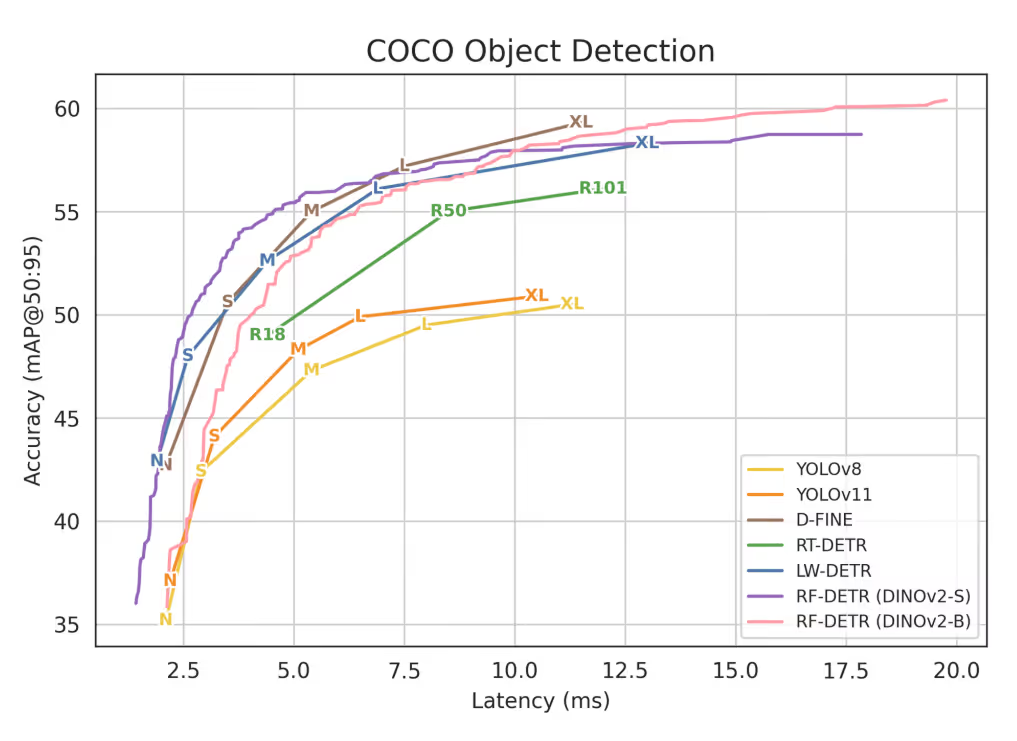
YOLOv8 is a computer vision model architecture developed by Ultralytics, the creators of YOLOv5. You can deploy YOLOv8 models on a wide range of devices, including NVIDIA Jetson, NVIDIA GPUs, and macOS systems with Roboflow Inference, an open source Python package for running vision models.
The most powerful tool in a veterinarian’s clinic is not a scalpel or a syringe. It is the ability to understand what the animal cannot say.
For decades, the traditional image of veterinary medicine was one of brute force and stoicism: a struggling cat held down by a towel, a horse sedated for a simple hoof trim, or a dog growling from behind a cage. The unspoken rule was simple: treat the physical ailment, and ignore the emotional turmoil.
This article explores the profound, symbiotic relationship between ethology (the study of animal behavior) and veterinary practice. The most immediate challenge in any clinic is the fearful, anxious, or aggressive patient. From a veterinary perspective, stress is a biological variable. When a cat’s heart rate hits 240 beats per minute due to fear, its blood pressure spikes, and its pupils dilate. These physiological changes directly alter clinical data.
Consider the routine physical exam. A dog in a state of "tonic immobility" (freezing) is not calm; it is terrified. Its muscles are rigid, masking signs of joint pain or abdominal tenderness. A cat that is "shutting down" on the exam table may appear docile, but its respiratory rate is suppressed, hiding early signs of dyspnea (difficulty breathing).
The most powerful tool in a veterinarian’s clinic is not a scalpel or a syringe. It is the ability to understand what the animal cannot say.
For decades, the traditional image of veterinary medicine was one of brute force and stoicism: a struggling cat held down by a towel, a horse sedated for a simple hoof trim, or a dog growling from behind a cage. The unspoken rule was simple: treat the physical ailment, and ignore the emotional turmoil.
This article explores the profound, symbiotic relationship between ethology (the study of animal behavior) and veterinary practice. The most immediate challenge in any clinic is the fearful, anxious, or aggressive patient. From a veterinary perspective, stress is a biological variable. When a cat’s heart rate hits 240 beats per minute due to fear, its blood pressure spikes, and its pupils dilate. These physiological changes directly alter clinical data.
Consider the routine physical exam. A dog in a state of "tonic immobility" (freezing) is not calm; it is terrified. Its muscles are rigid, masking signs of joint pain or abdominal tenderness. A cat that is "shutting down" on the exam table may appear docile, but its respiratory rate is suppressed, hiding early signs of dyspnea (difficulty breathing).
You can train a YOLOv8 model using the Ultralytics command line interface.
To train a model, install Ultralytics:
Then, use the following command to train your model:
Replace data with the name of your YOLOv8-formatted dataset. Learn more about the YOLOv8 format.
You can then test your model on images in your test dataset with the following command:
Once you have a model, you can deploy it with Roboflow.
YOLOv8 comes with both architectural and developer experience improvements.
Compared to YOLOv8's predecessor, YOLOv5, YOLOv8 comes with: Porno zoofilia con animales 3gp
Furthermore, YOLOv8 comes with changes to improve developer experience with the model. The most powerful tool in a veterinarian’s clinic