“Sounds and Scores” has had a lasting impact on the film music industry, influencing generations of composers, including John Williams, Michael Giacchino, and Thomas Newman. The book’s insights and advice continue to inspire new composers, offering a unique perspective on the art of film scoring.
Born on April 16, 1924, in Cleveland, Ohio, Henry Mancini was a child prodigy who began playing the piano at the age of four. He went on to study music at the University of Pennsylvania and later served in the United States Air Force, where he arranged music for the Air Force Band. After the war, Mancini began his career in television, working as a pianist and arranger for various shows, including “The Lawrence Welk Show” and “The Perry Como Show.”
“Sounds and Scores” is a book written by Henry Mancini in 1972, which offers a comprehensive guide to film scoring. The book is a unique blend of autobiography, musical analysis, and practical advice, providing readers with a rare glimpse into the creative process of a master film composer. The book covers a wide range of topics, including the art of film scoring, the role of the composer in the film industry, and the techniques used to create memorable movie themes.
Whether you’re a seasoned composer or just starting out, “Sounds and Scores” is a must-read that will inspire and educate you on the art of film scoring. With its unique blend of autobiography, musical analysis, and practical advice, this book is a true classic that will continue to influence and inspire generations to come. “Sounds and Scores” has had a lasting impact
Mancini’s breakthrough in film scoring came in 1958 with the movie “The Music from Peter Gunn,” which earned him his first Academy Award nomination. This was followed by a string of successful films, including “Breakfast at Tiffany’s,” “Charade,” and “The Pink Panther.” Throughout his career, Mancini collaborated with some of Hollywood’s most renowned directors, including Blake Edwards, Stanley Donen, and Mike Nichols.
In today’s digital age, the PDF version of “Sounds and Scores” has made it easier than ever for film music enthusiasts, students, and professionals to access and appreciate Mancini’s work. The PDF format allows readers to easily navigate the book’s contents, searching for specific topics, quotes, or musical examples. This convenience has made it possible for a new generation of musicians and composers to discover and learn from Mancini’s insights and experiences. He went on to study music at the
Henry Mancini’s “Sounds and Scores” is a timeless resource that offers a fascinating glimpse into the world of film scoring. The PDF version of this iconic book has made it easier than ever for music enthusiasts to access and appreciate Mancini’s work. As a testament to his enduring legacy, “Sounds and Scores” remains an essential read for anyone interested in film music, composition, or the creative process.
“Sounds and Scores” has had a lasting impact on the film music industry, influencing generations of composers, including John Williams, Michael Giacchino, and Thomas Newman. The book’s insights and advice continue to inspire new composers, offering a unique perspective on the art of film scoring.
Born on April 16, 1924, in Cleveland, Ohio, Henry Mancini was a child prodigy who began playing the piano at the age of four. He went on to study music at the University of Pennsylvania and later served in the United States Air Force, where he arranged music for the Air Force Band. After the war, Mancini began his career in television, working as a pianist and arranger for various shows, including “The Lawrence Welk Show” and “The Perry Como Show.”
The Timeless Legacy of Henry Mancini: A Deep Dive into “Sounds and Scores”**
“Sounds and Scores” is a book written by Henry Mancini in 1972, which offers a comprehensive guide to film scoring. The book is a unique blend of autobiography, musical analysis, and practical advice, providing readers with a rare glimpse into the creative process of a master film composer. The book covers a wide range of topics, including the art of film scoring, the role of the composer in the film industry, and the techniques used to create memorable movie themes.
Whether you’re a seasoned composer or just starting out, “Sounds and Scores” is a must-read that will inspire and educate you on the art of film scoring. With its unique blend of autobiography, musical analysis, and practical advice, this book is a true classic that will continue to influence and inspire generations to come.
Mancini’s breakthrough in film scoring came in 1958 with the movie “The Music from Peter Gunn,” which earned him his first Academy Award nomination. This was followed by a string of successful films, including “Breakfast at Tiffany’s,” “Charade,” and “The Pink Panther.” Throughout his career, Mancini collaborated with some of Hollywood’s most renowned directors, including Blake Edwards, Stanley Donen, and Mike Nichols.
In today’s digital age, the PDF version of “Sounds and Scores” has made it easier than ever for film music enthusiasts, students, and professionals to access and appreciate Mancini’s work. The PDF format allows readers to easily navigate the book’s contents, searching for specific topics, quotes, or musical examples. This convenience has made it possible for a new generation of musicians and composers to discover and learn from Mancini’s insights and experiences.
Henry Mancini’s “Sounds and Scores” is a timeless resource that offers a fascinating glimpse into the world of film scoring. The PDF version of this iconic book has made it easier than ever for music enthusiasts to access and appreciate Mancini’s work. As a testament to his enduring legacy, “Sounds and Scores” remains an essential read for anyone interested in film music, composition, or the creative process.
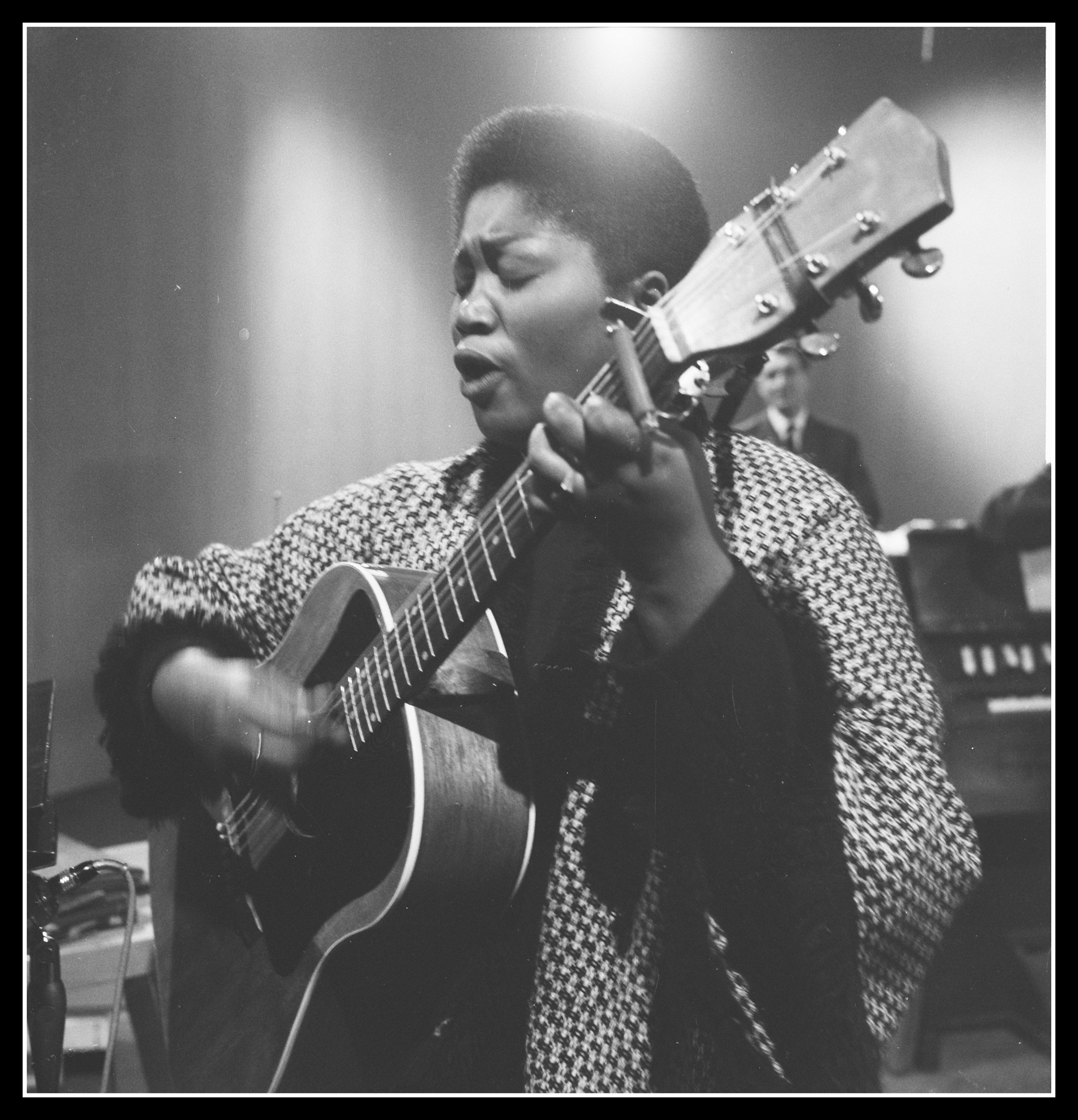
Odetta was one of the defining voices of American folk music. Though she had been trained in classical music, she was drawn to spirituals, work songs, traditional ballads, and blues. These songs told the stories of true life – of struggle and of those who overcame oppression. Odetta used her theater training and deep resonant voice to bring these messages to life. Her work inspired later artists like Bob Dylan and Joan Baez, served as a soundtrack for the social reforms of the 1960s, and led to her honorary title as “The Voice of the Civil Rights Movement” and “The Queen of Folk Music.
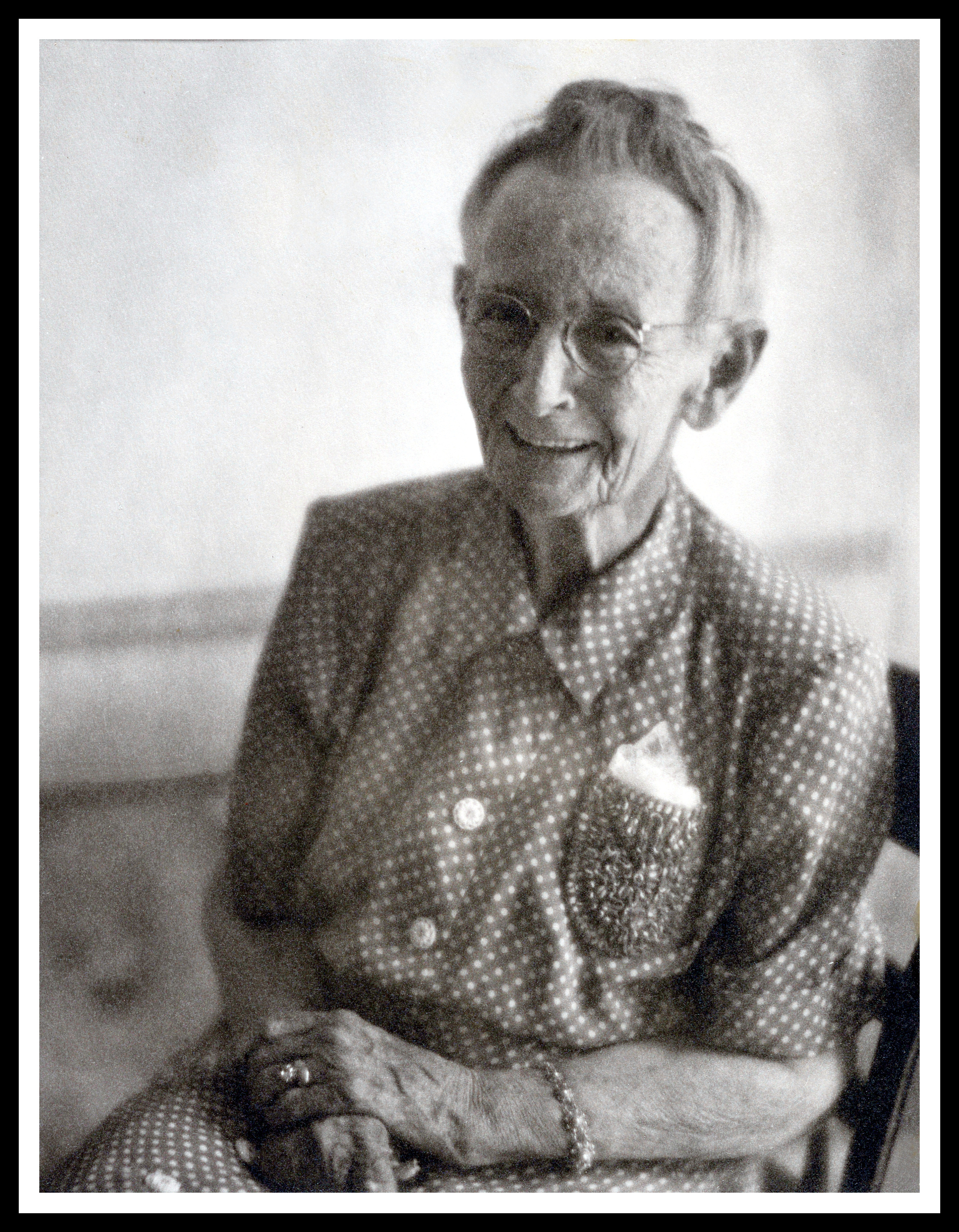
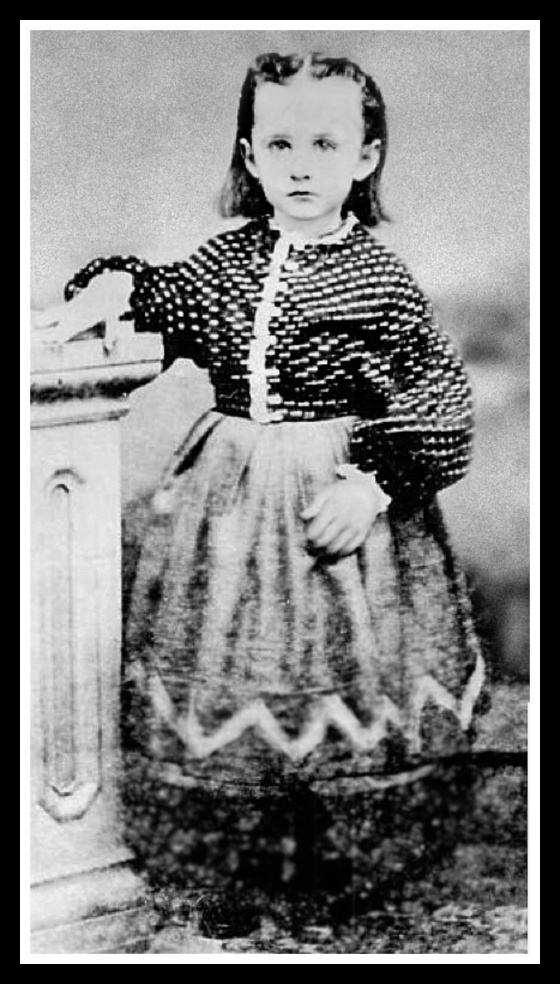
Anna Mary Moses spent the last twenty years of her life as a beloved and celebrated artist after a hobby became an occupation in the most astonishing way.
Anna Mary Moses was born when Abraham Lincoln was president and died when John Kennedy was; she lived through one Civil, and two World wars, and was one of the first women in the US to legally vote. Because her life was so full, she didn’t take up painting as her primary hobby until she was in her 70s, and was on a rocketship of world fame as a celebrated artist until she was in her 80s.