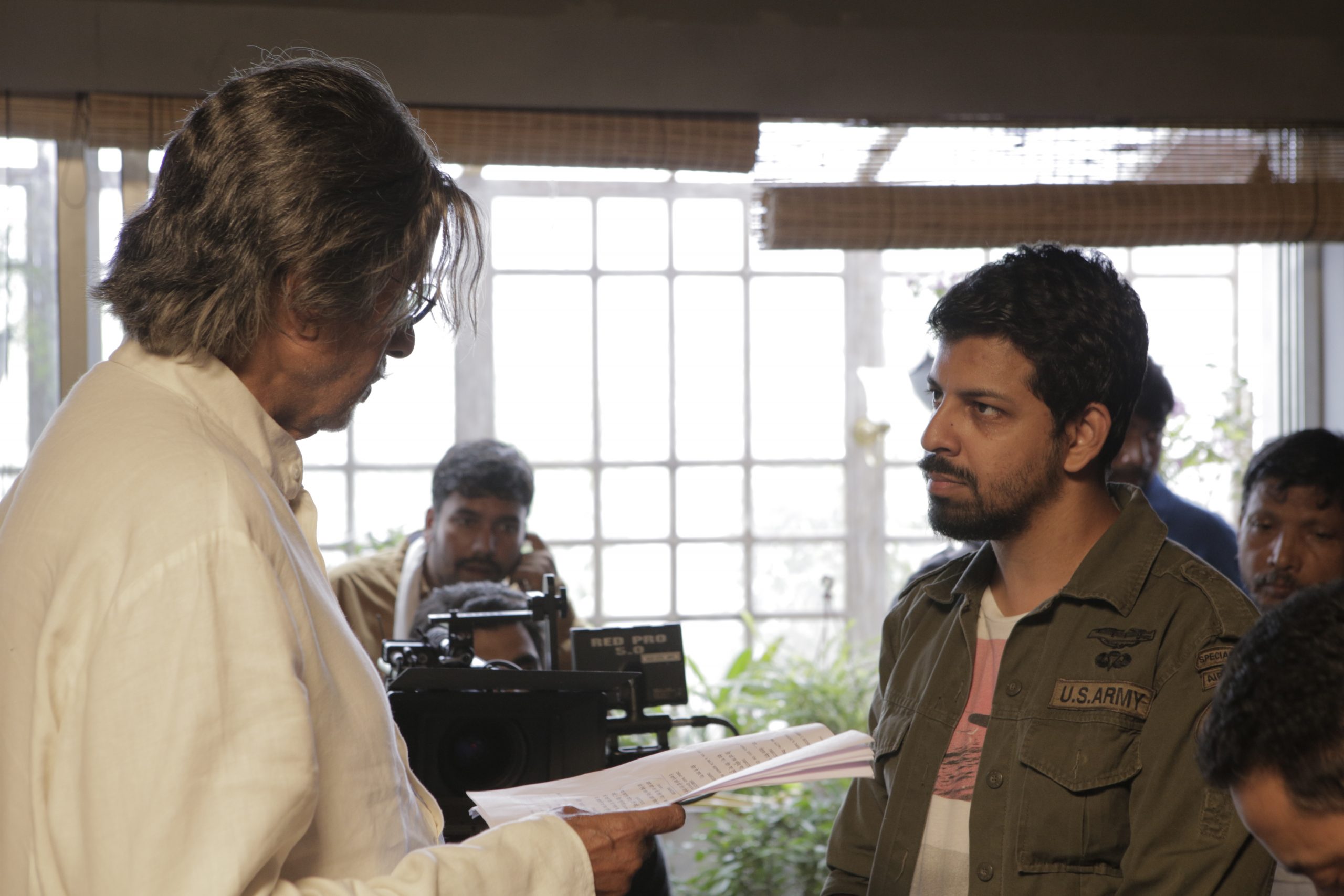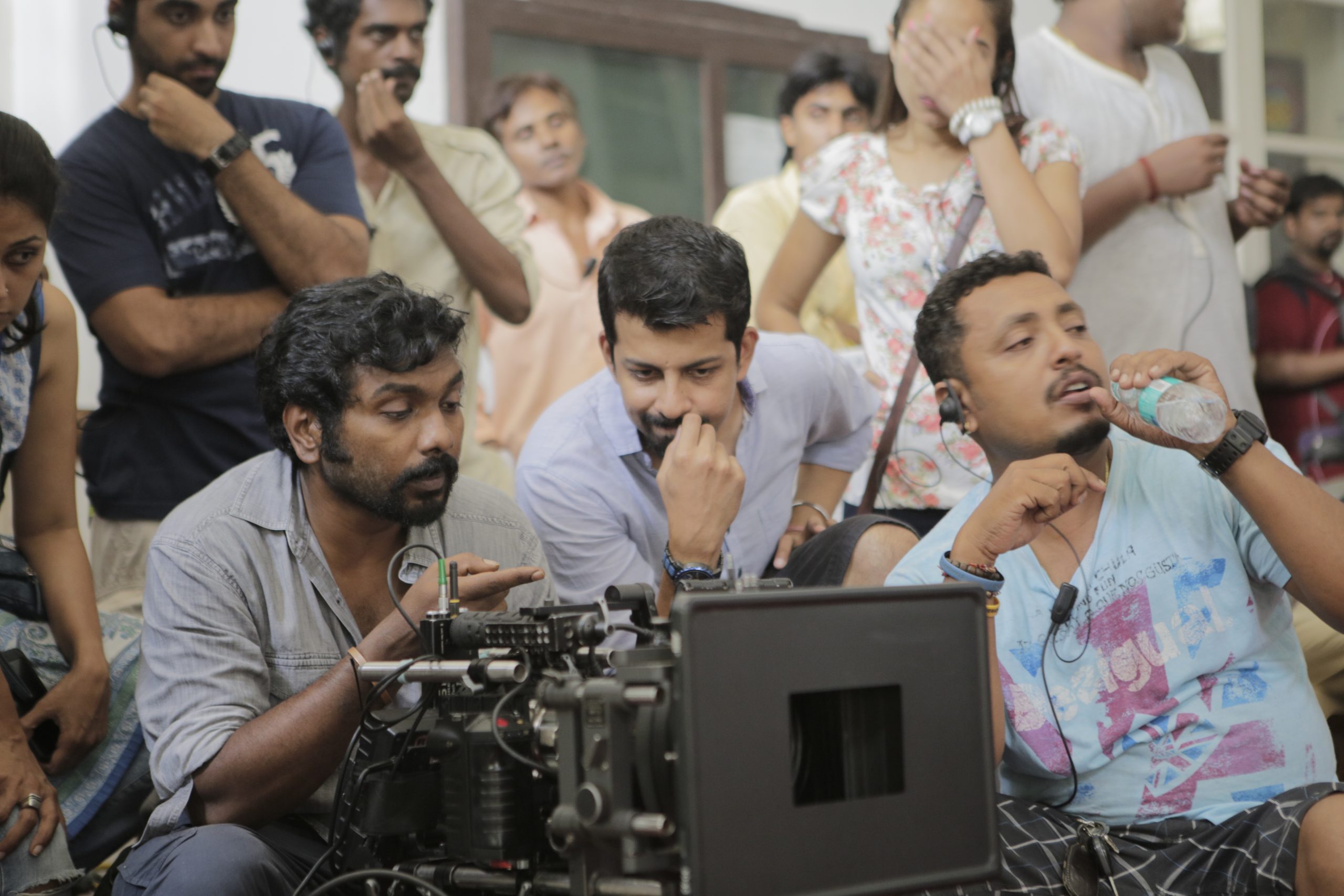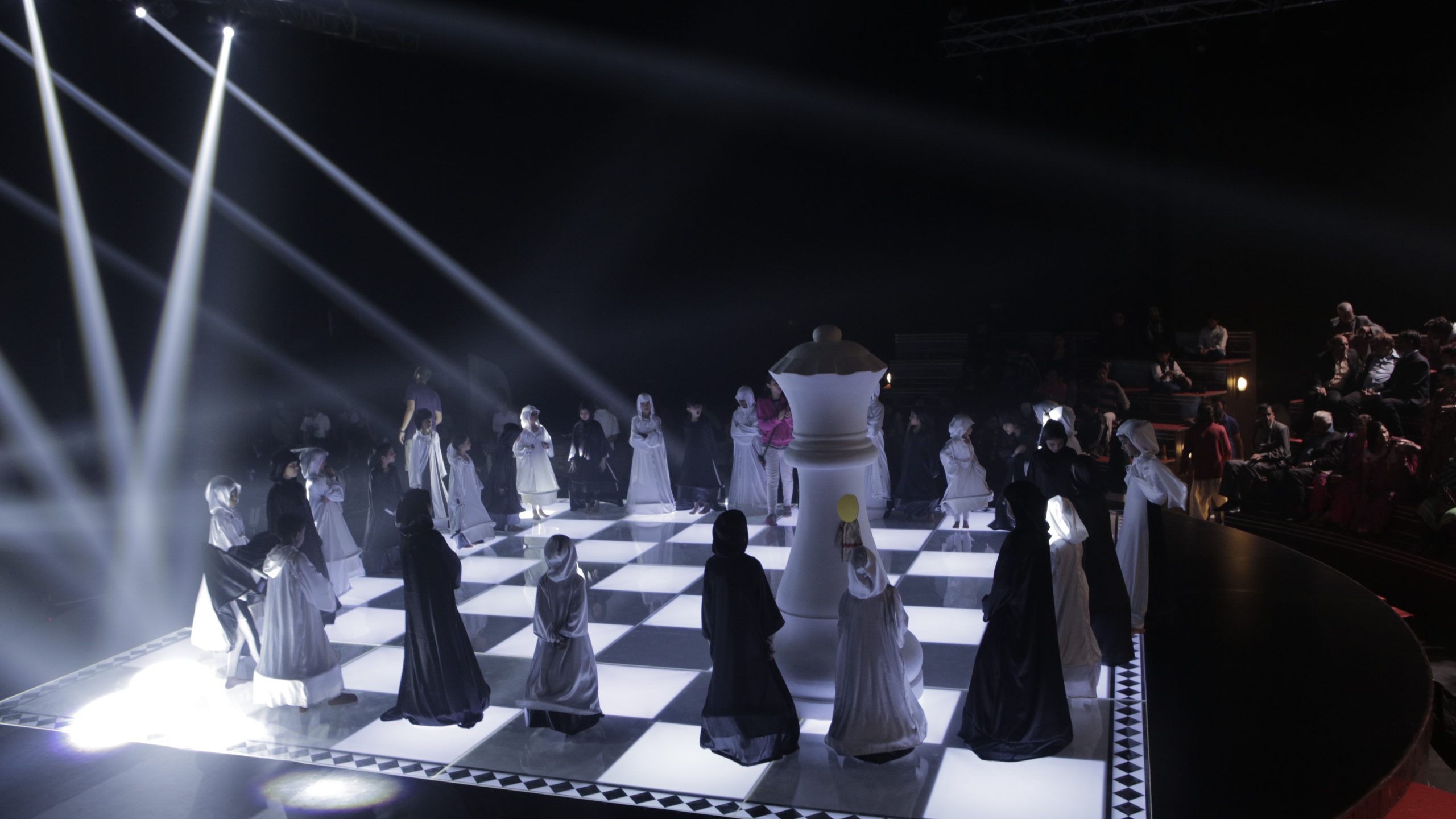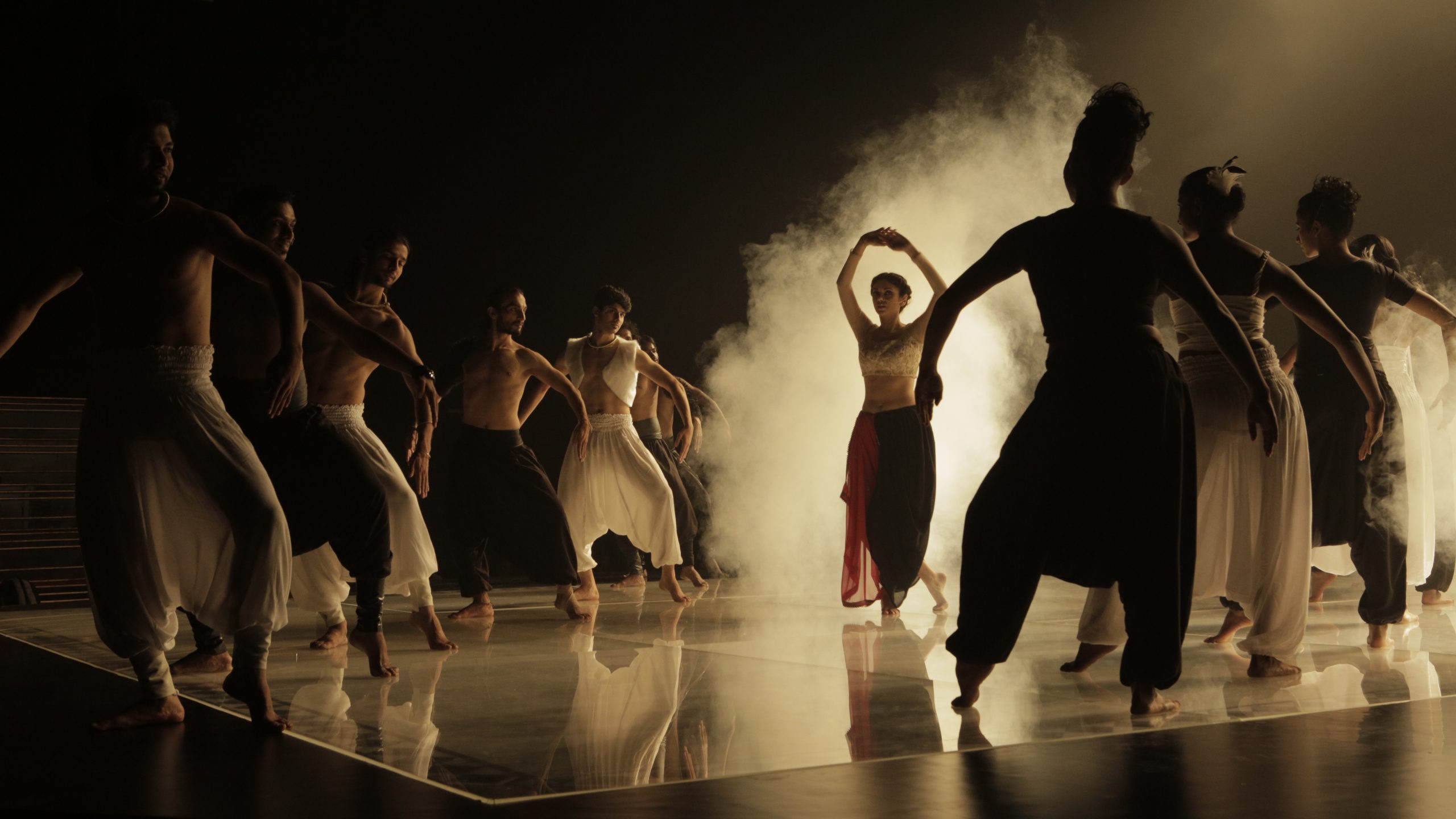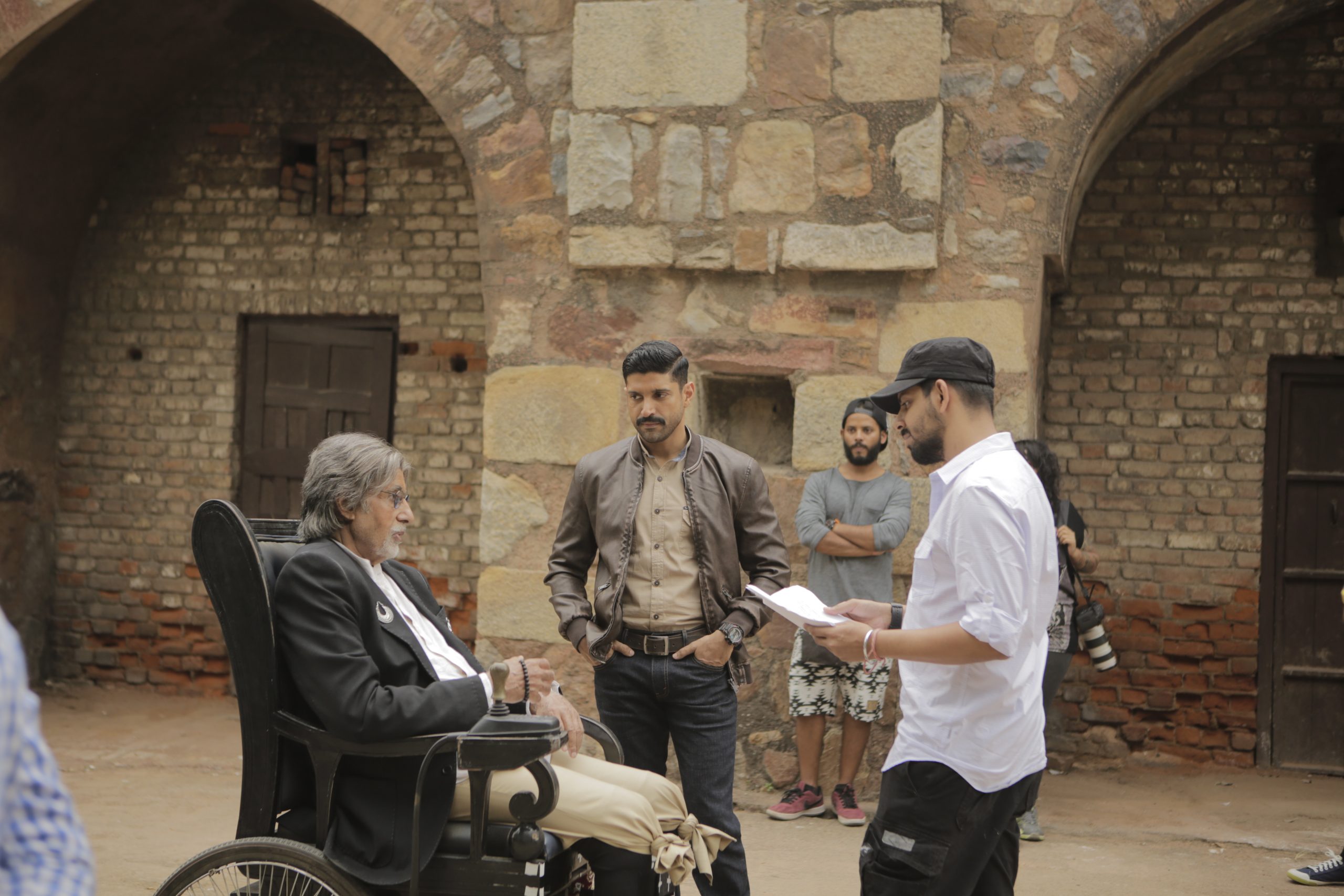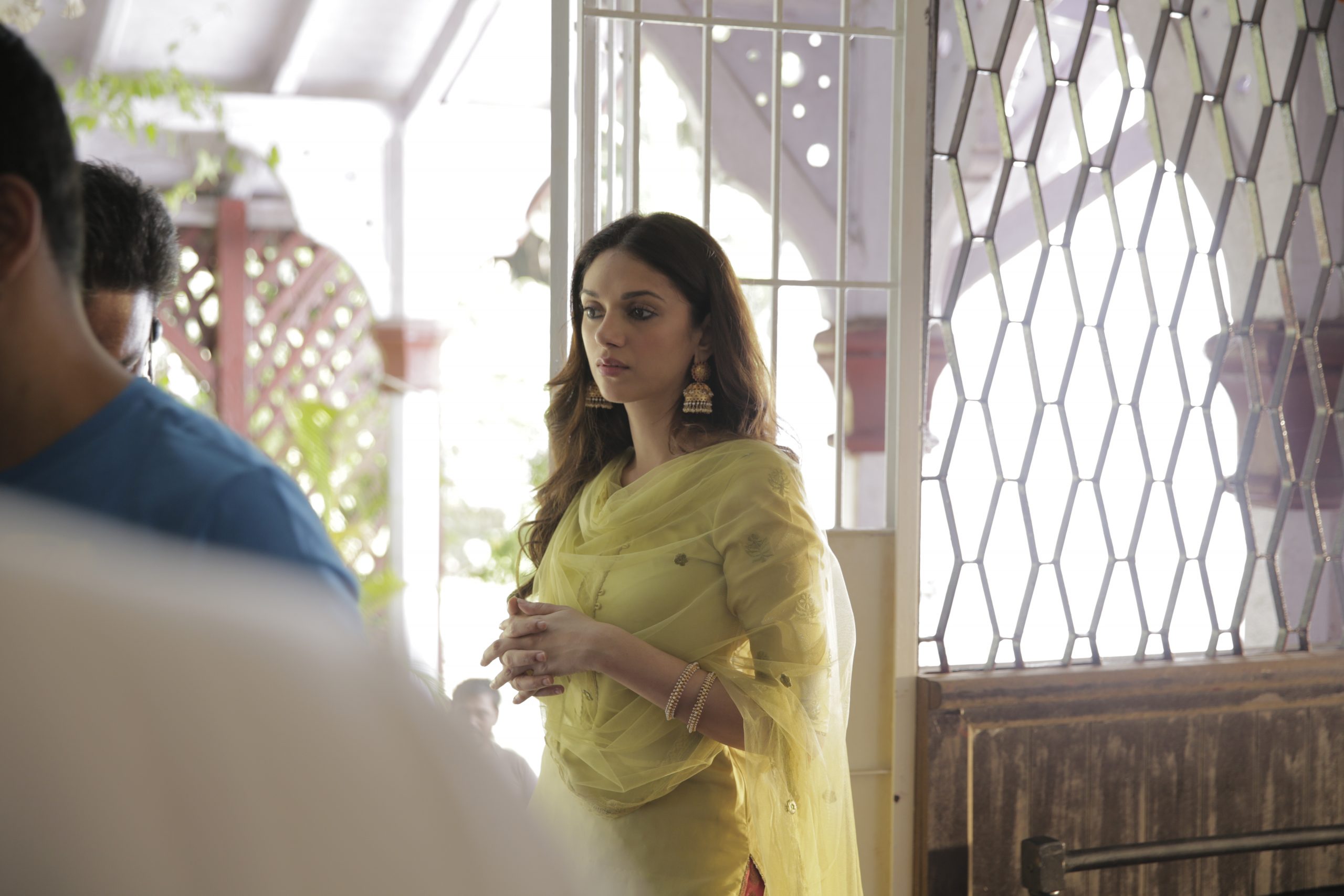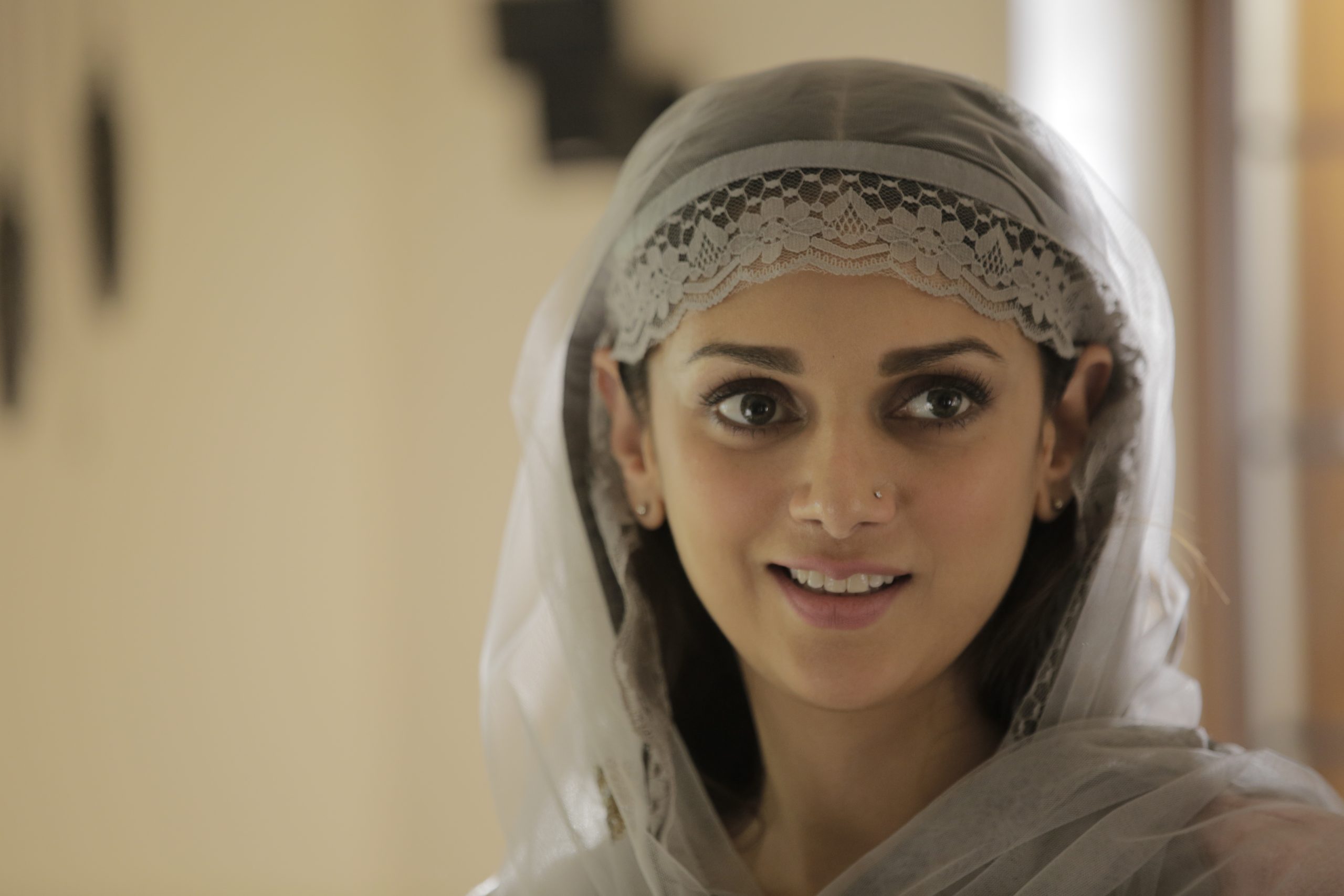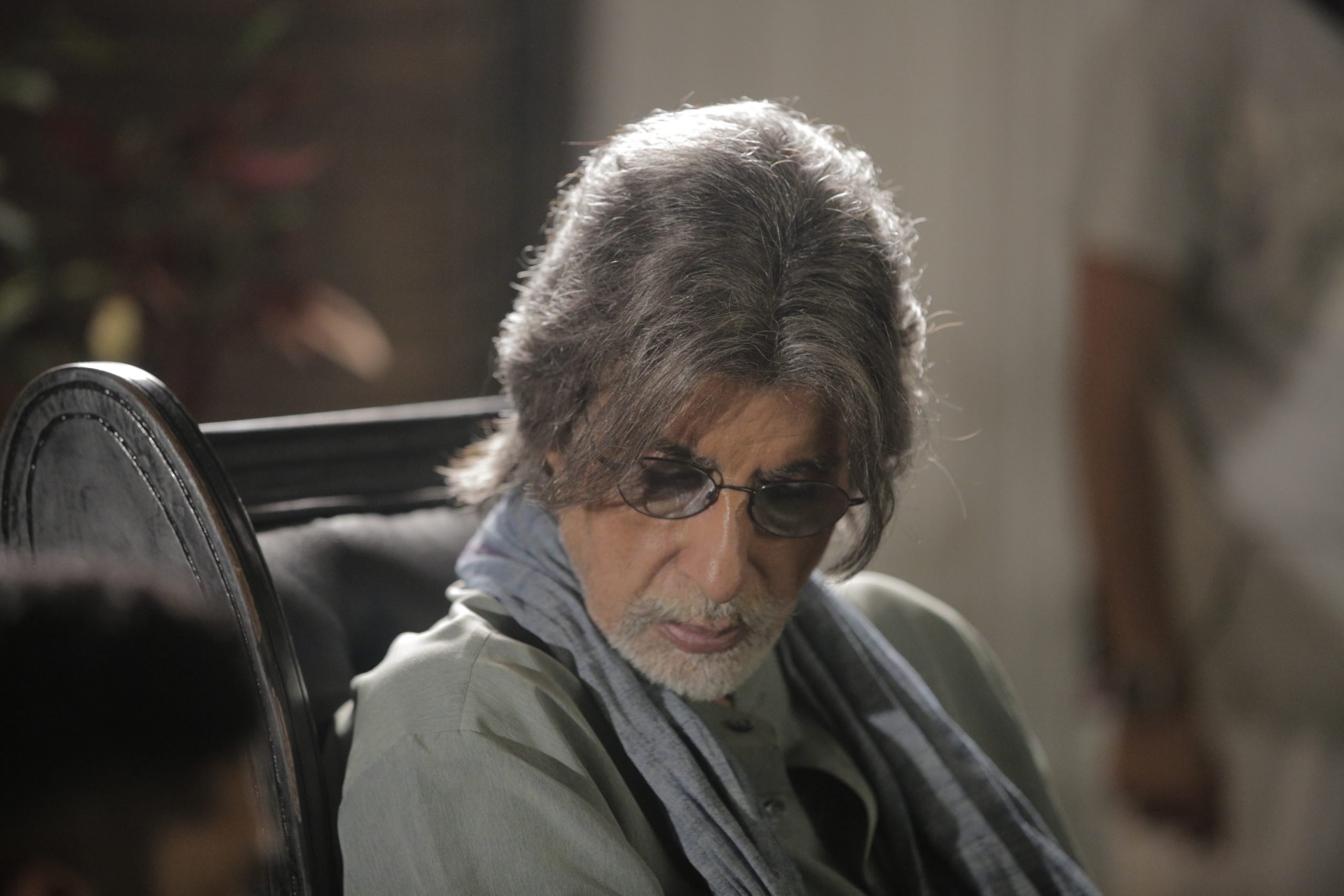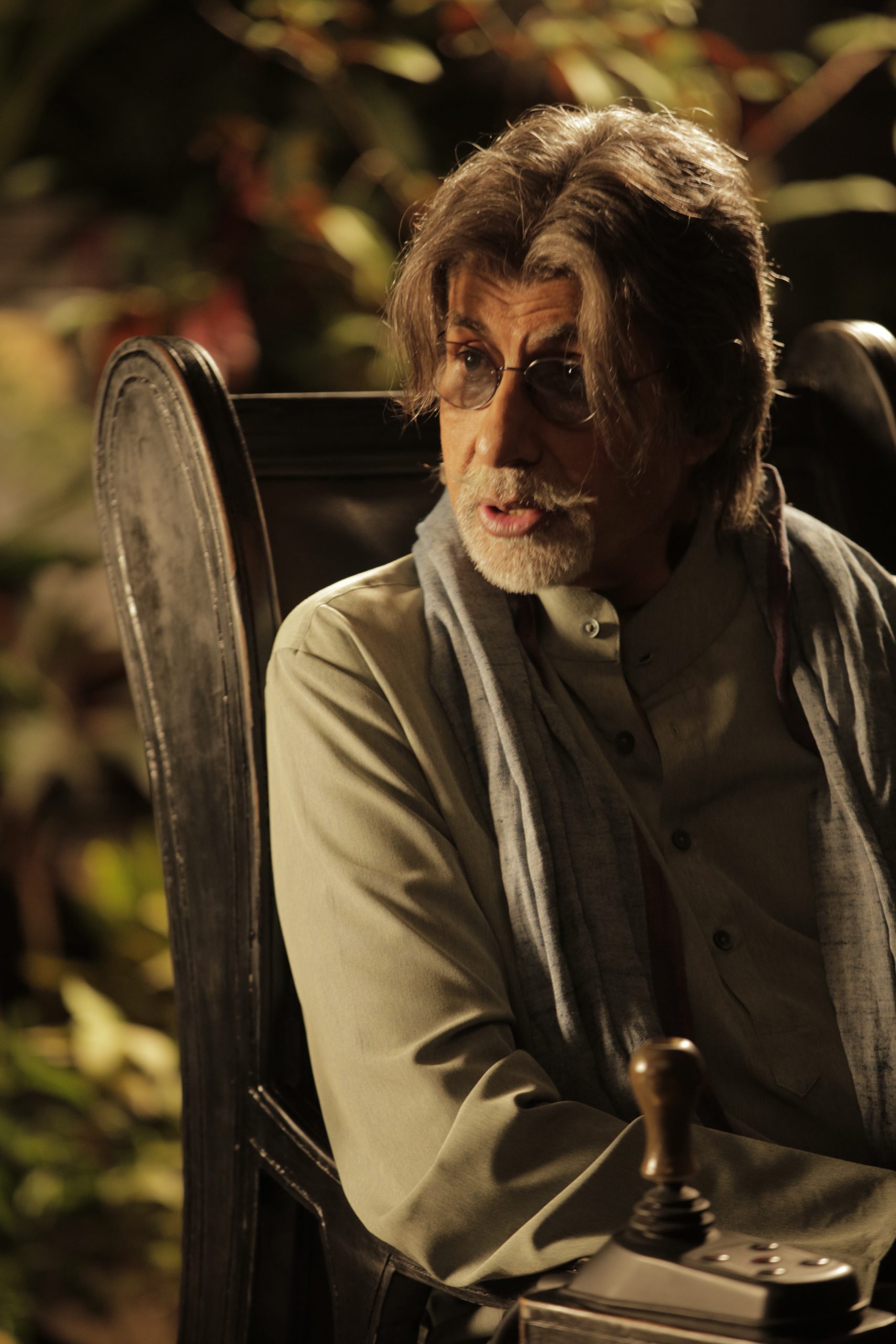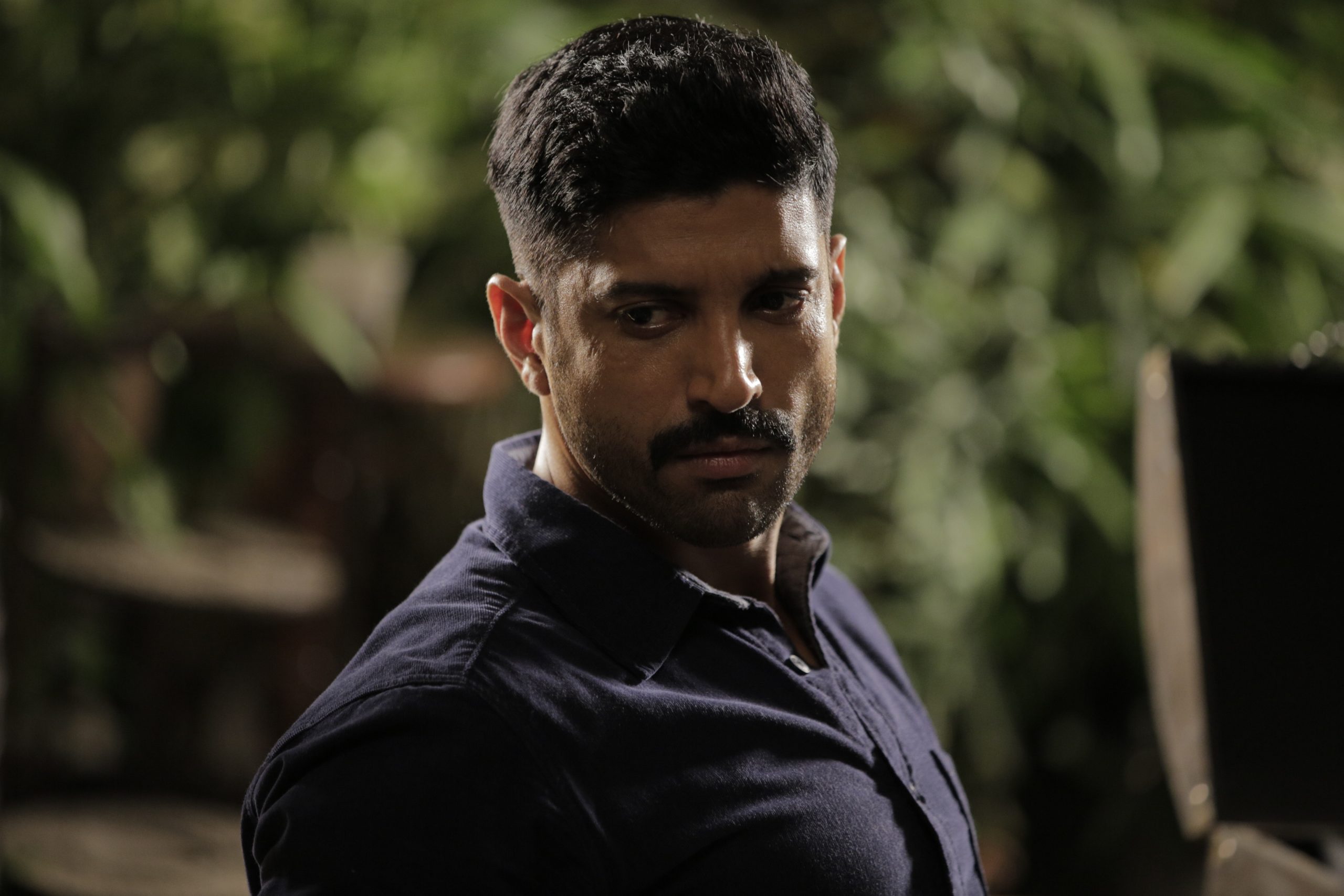
‘Wazir’ is a tale of two unlikely friends, a wheelchair-bound chess grandmaster and a brave ATS officer. Brought together by grief and a strange twist of fate, the two men decide to help each other win the biggest games of their lives. But there’s a mysterious, dangerous opponent lurking in the shadows, who is all set to checkmate them

The film's soundtrack album was composed by a number of artists: Shantanu Moitra, Ankit Tiwari, Advaita, Prashant Pillai, Rochak Kohli and Gaurav Godkhindi.The background score was composed by Rohit Kulkarni while the lyrics were penned by Vidhu Vinod Chopra, Swanand Kirkire, A. M. Turaz, Manoj Muntashir and Abhijeet Deshpande. The album rights of the film were acquired by T-Series, and it was released on 18 December 2015.

Sonu Nigam & Shreya Ghoshal


Ankit Tiwari

Javed Ali

Gagan Baderiya & Prashant Pillai

Amitabh Bachchan

Gaurav Godkhindi


When performed correctly, the Mongol Heleer is said to produce a range of effects, from healing and protection to divination and spiritual growth. Some practitioners claim that the Heleer can even be used to communicate with the spirits of the dead, seeking guidance or closure.
As we explore the mystique of the Mongol Heleer, it becomes clear that this phenomenon is more than just a relic of the past. It represents a profound connection to the natural world, a deep respect for the spiritual forces that shape our lives, and a testament to the enduring power of human imagination and creativity.
The process of invoking the Mongol Heleer is said to require great skill, knowledge, and spiritual discipline. Practitioners, often referred to as “Heleerchin,” must undergo rigorous training and preparation, studying the ancient rituals, incantations, and gestures that comprise the Heleer. They must also possess a deep understanding of the spiritual forces they seek to invoke, as well as the ability to navigate the complex web of energies and entities that are believed to inhabit the universe. The Call Mongol Heleer
One of the most fascinating aspects of the Mongol Heleer is its association with the natural world. In Mongolian culture, the land, the sky, and the creatures that inhabit them are believed to be interconnected and interdependent. The Heleer is thought to be a means of communicating with this web of life, allowing practitioners to tap into the energies and forces that shape the world around them.
The term “Heleer” is often translated to mean “a call” or “a summons,” and in the context of Mongolian culture, it refers to a specific type of ritualistic call used to summon or invoke a particular entity, spirit, or energy. The Mongol Heleer, in particular, is believed to be a powerful and ancient form of invocation, used by skilled practitioners to connect with the spiritual realm. When performed correctly, the Mongol Heleer is said
The Call of the Mongol Heleer: Unveiling the Mystique of a Legendary Summoning
To understand the essence of the Mongol Heleer, it is essential to delve into the rich cultural heritage of Mongolia. The country’s history is replete with stories of nomadic tribes, skilled horsemen, and a deep connection with the natural world. It is within this context that the Mongol Heleer emerges as a significant element, woven into the fabric of Mongolian folklore and mythology. It represents a profound connection to the natural
In the vast expanse of Mongolian culture, there exists a fascinating phenomenon that has captured the imagination of many: the Mongol Heleer. This enigmatic concept has been shrouded in mystery, with its origins and significance sparking intense curiosity among scholars, historians, and enthusiasts alike. At the heart of this intrigue lies “The Call of the Mongol Heleer,” a phrase that has become synonymous with the mystique and allure of this ancient tradition.
Others propose that the Mongol Heleer has its roots in pre- Buddhist and pre- shamanic traditions, when Mongolian tribes would perform rituals to appease the spirits of the land, the gods of the sky, and the ancestors. These early practices, it is argued, eventually evolved into the complex system of invocation and spiritual connection that we know today as the Mongol Heleer.