OUT NOW

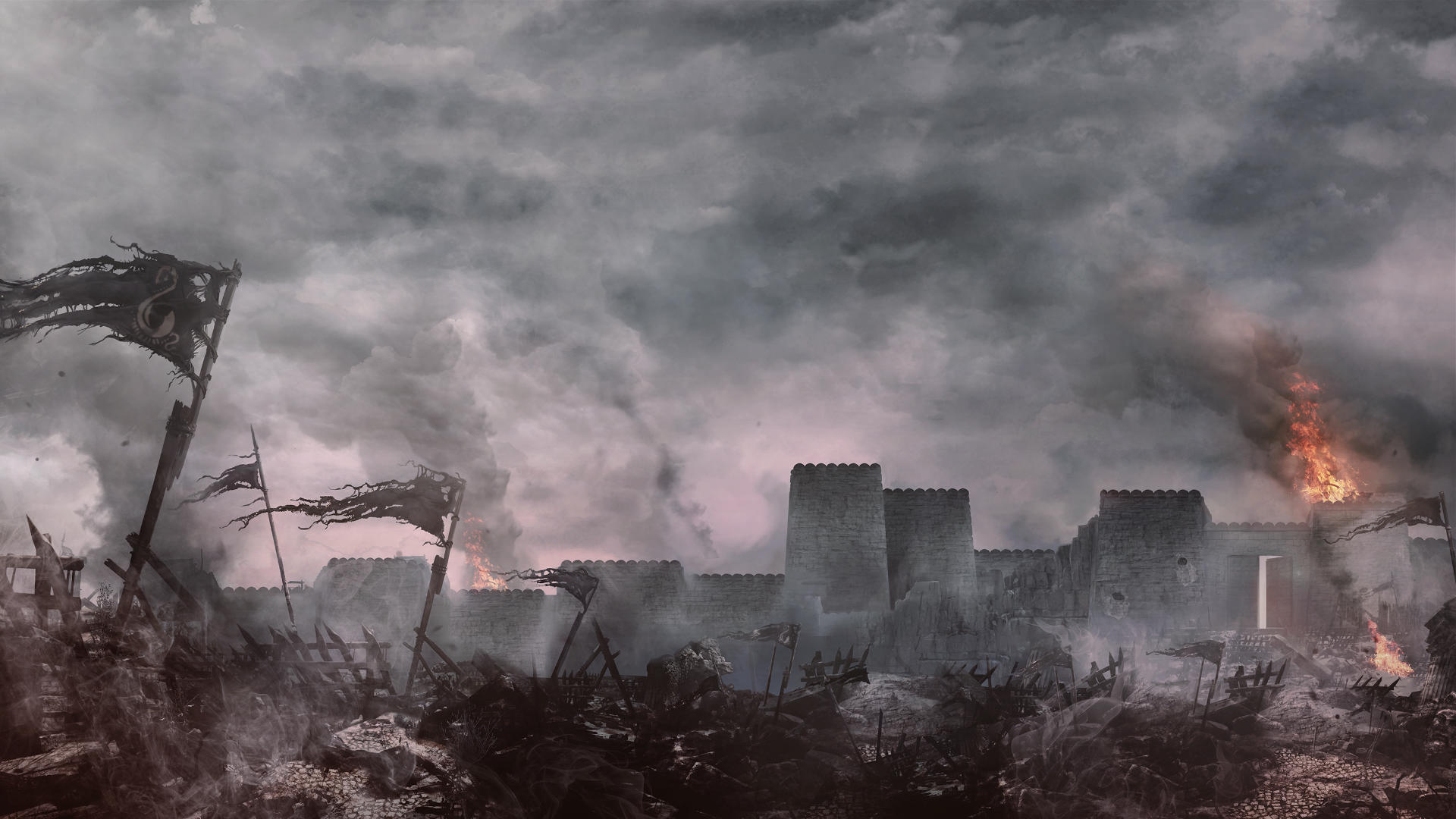






Discover the story of Achilles told anew.
Battle gods, defeat mythological creatures and gather resources in Achilles: Legends Untold.
Let your sword write an all-new story inspired by classical Greek mythology.

Conquer your fear, make moral choices and find your place in the ongoing conflict of mythological proportions.
Achilles’ journey will take him to many different corners of mythological lands where he will obtain powerful artifacts that will aid him in his quest.

The story will take you through Troy, as well as various parts of the ancient Greece inspired world, allowing you to discover its secrets.
The game world is full of people, animals, mythological creatures, and other mysterious beings from ancient Greece. You will meet many enemies during your travels, but also a few allies.

The gameplay features enjoyable and skill-based combat, RPG elements and resource management.
There are various weapons and weapon chargers available allowing the players to choose the best strategy of fighting, be it more distant (by setting traps or throwing darts, bombs or a shield) or hands-on (with a sword, axe, or a spear).
Throughout the game, players will become more skillful alongside the main character.

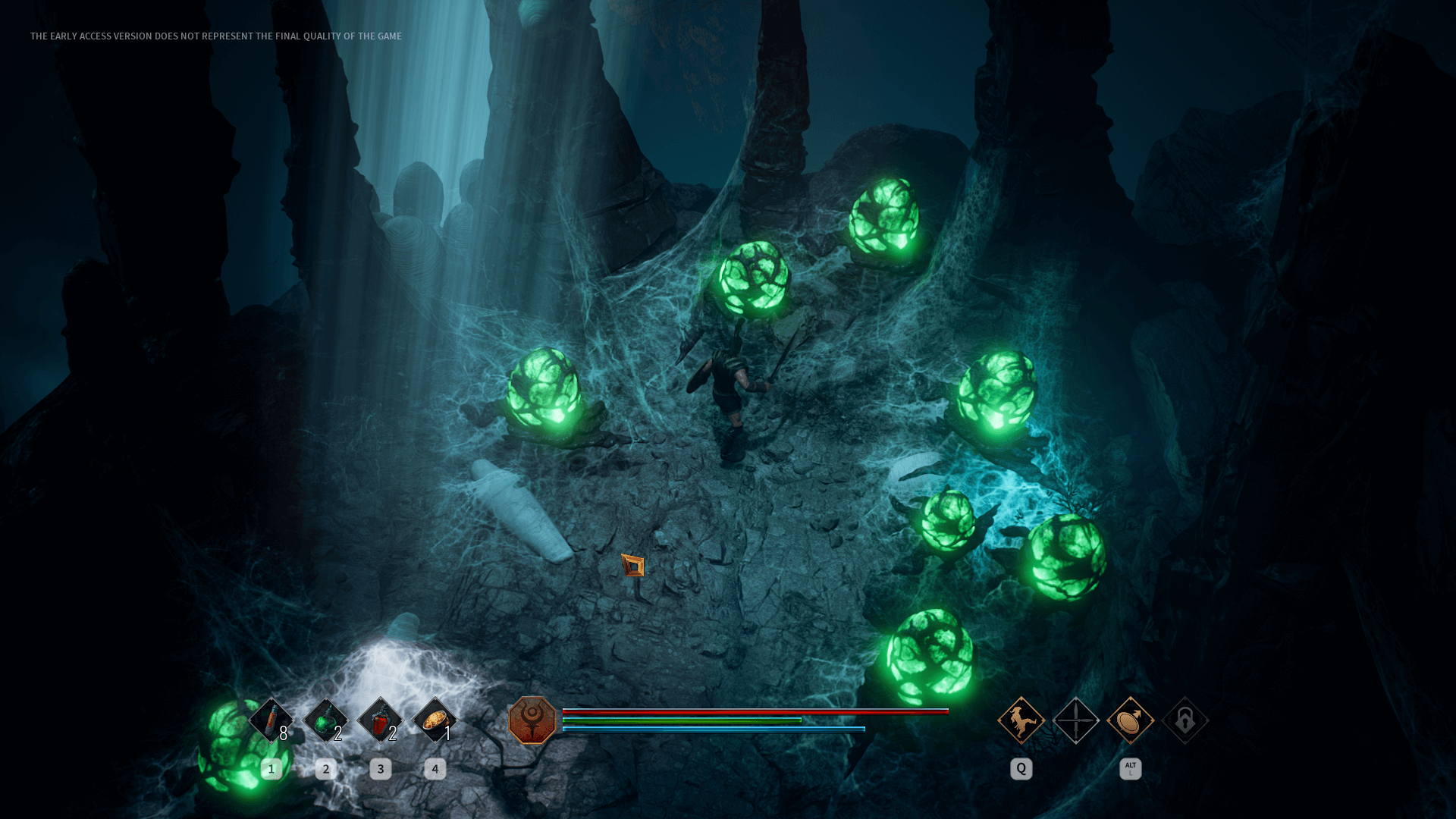



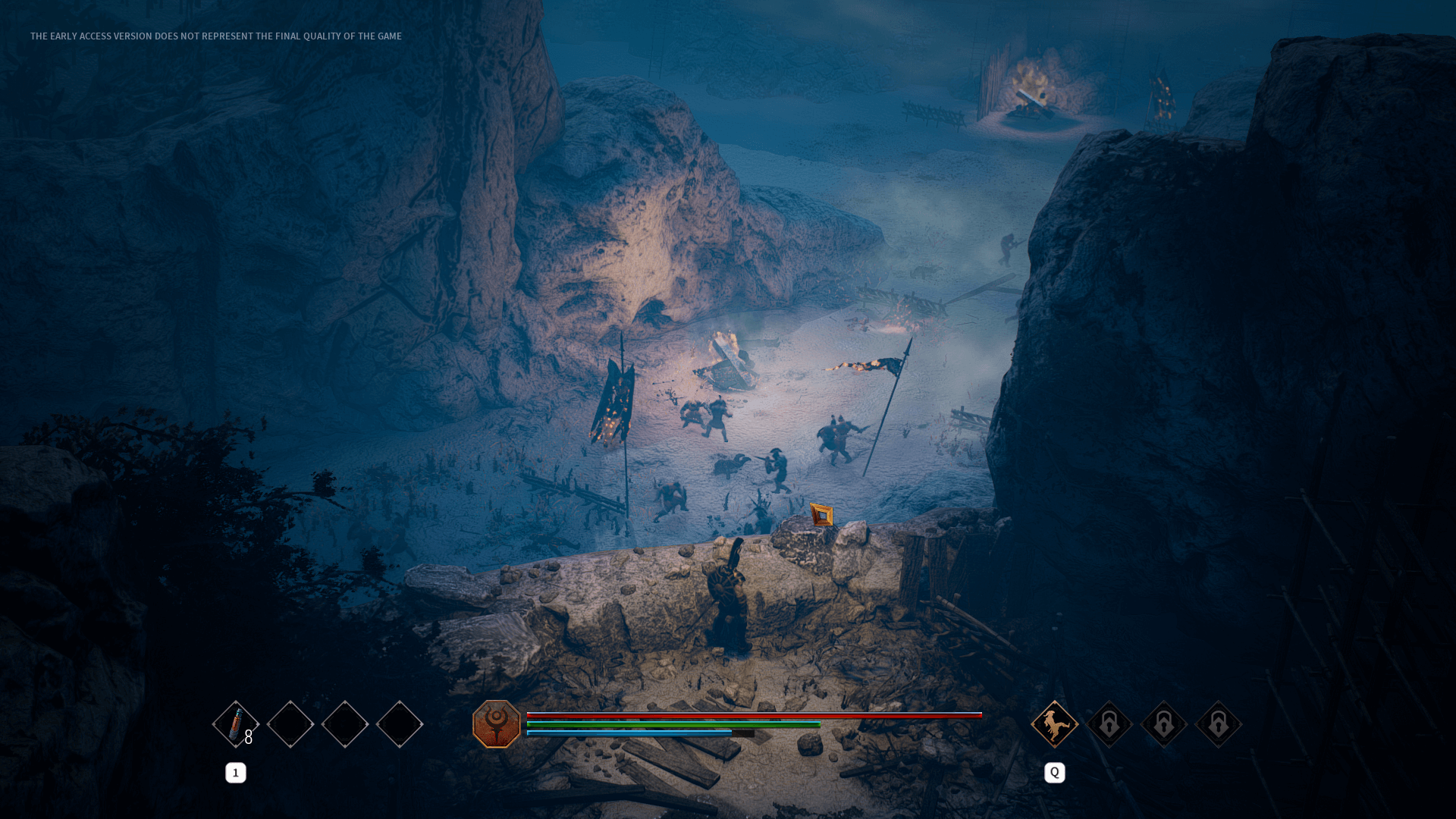










Experience the capabilities of the GAIA (Group AI Action) system that introduces innovative enemy behavior. Opponents have unscripted interactions with each other and are capable of coordinated attacks, sometimes even taking advantage of their surroundings.
Fight immersive battles in which opponents adapt to your playstyle. Try different strategies or create ambush scenarios, driven by this contemporary in-house designed system.

Several case studies and experimental results have been reported in the literature on the underwater acoustic characterization of UXO disposal using deflagration. These studies have demonstrated the potential of underwater acoustic characterization to monitor and understand the effects of deflagration on UXO disposal.
Deflagration is a method used for UXO disposal that involves the controlled burning of explosive materials. This process is often preferred over detonation, as it can be safer and more controlled. However, deflagration also generates acoustic signals that can be detected underwater. These signals can provide valuable information on the effectiveness of the disposal process and the potential environmental impacts.
The acoustic signals generated during deflagration are primarily due to the rapid expansion of gases and the formation of shockwaves. These signals can be characterized by their frequency content, amplitude, and duration. The frequency content of the signals can provide information on the physical processes occurring during deflagration, such as the rate of energy release and the interaction with surrounding materials. Several case studies and experimental results have been
For example, a study published in the Journal of the Acoustical Society of America reported on the use of underwater acoustic sensors to monitor the deflagration of UXO in a controlled experiment. The results showed that the acoustic signals generated during deflagration could be used to infer information on the physical processes occurring during the disposal process.
Unexploded ordnance (UXO) poses a significant threat to marine ecosystems, human health, and economic activities in various parts of the world. The disposal of UXO is a complex and challenging process, requiring careful planning and execution to ensure safe and effective removal. One method used for UXO disposal is deflagration, a process that involves the controlled burning of explosive materials. In recent years, researchers have been exploring the use of underwater acoustic characterization to monitor and understand the effects of deflagration on UXO disposal. This article provides an in-depth review of the current state of knowledge on underwater acoustic characterization of UXO disposal using deflagration. This process is often preferred over detonation, as
Underwater acoustic characterization is a technique used to study the acoustic properties of underwater environments and objects. In the context of UXO disposal, underwater acoustic characterization involves the measurement and analysis of acoustic signals generated during deflagration. These signals can be used to infer information on the physical processes occurring during deflagration, such as the rate of energy release, the formation of shockwaves, and the interaction with surrounding materials.
The analysis of acoustic signals generated during UXO disposal using deflagration involves several steps, including data acquisition, signal processing, and data analysis. The acquired data are typically processed using techniques such as filtering, amplification, and time-frequency analysis. and other users of the ocean
Another study published in the Journal of Ocean Engineering reported on the use of AUVs equipped with acoustic sensors to characterize the acoustic signals generated during UXO disposal using deflagration. The results showed that the AUVs could provide high-resolution acoustic data that could be used to monitor the disposal process.
Unexploded ordnance (UXO) is a legacy of past military conflicts, accidents, and other activities that have resulted in the deposition of explosive devices in the ocean. UXO can pose a significant threat to marine life, fishermen, and other users of the ocean, as they can detonate unexpectedly, causing damage or loss of life. The disposal of UXO is a complex process that requires careful planning, specialized equipment, and trained personnel.
Deflagration is a complex physical process that involves the rapid burning of explosive materials. The process is characterized by a self-sustaining chemical reaction that propagates through the material at a subsonic velocity. Deflagration generates a range of physical phenomena, including shockwaves, heat, and light.
Underwater Acoustic Characterisation of Unexploded Ordnance Disposal Using Deflagration**