


Www Jual Bokep Blogspot Com Hit | INSTANT |

Self Learning Courses
TG Campus® offers online courses, designed by our experts to ensure high-quality education. Each course is crafted to help students learn, practice, and excel through our comprehensive content and extensive question bank.
Read More →
Online Coaching
TG Campus® provide top notch one-to-one personalized online coaching for students across various subjects. Learn with elite tutors who offer personal attention and individualized education tailored to your unique needs.
Read More →
Test Series
TG Campus® test series provides a comprehensive set of mock tests designed to assess your knowledge and readiness. With a wide range of questions and detailed explanations, you'll gain valuable insights to improve your test-taking skills.
Read More →LEARN, PRACTISE AND EXCEL with TG Campus®
The concepts of learn, practice, and excel often go hand in hand in the process of mastering a subject. Each stage builds on the previous one, and they are interconnected in helping you become proficient and successful in your endeavours.
TG Campus® key components
State-of-the-art cloud based platform, with over 100 man-years of development, integrating scalable learning technology and content delivery systems that leverages live online tutoring, comprehensive content, and advanced assessments.
Self-Learning is for those who want to learn online without the help of teacher(s) / Instructor(s) which helps learning at own pace.
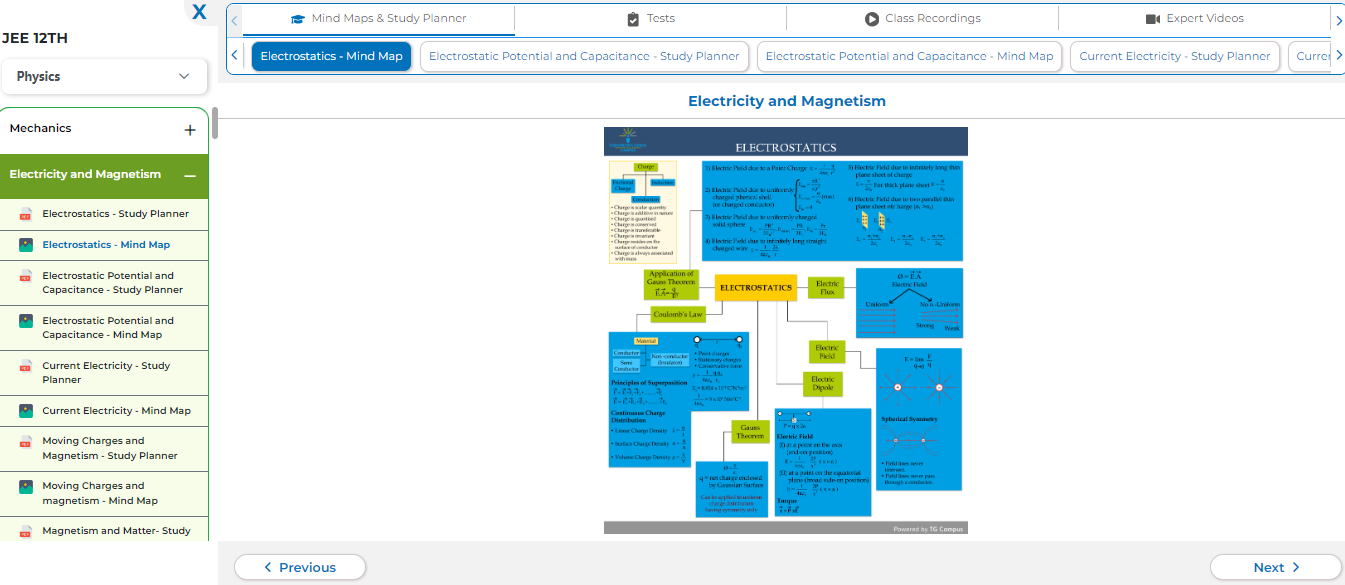
At TG Campus students can enroll and learn online. Learn with Elite Tutors with personal attention and individualized education.

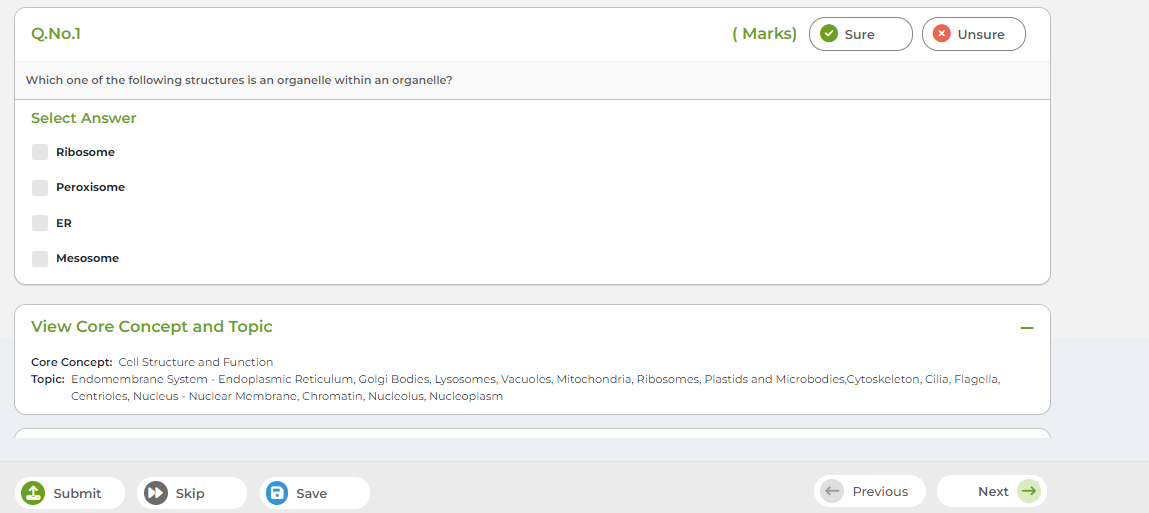
Test series helps students in practicing concepts and learning strategic approaches.
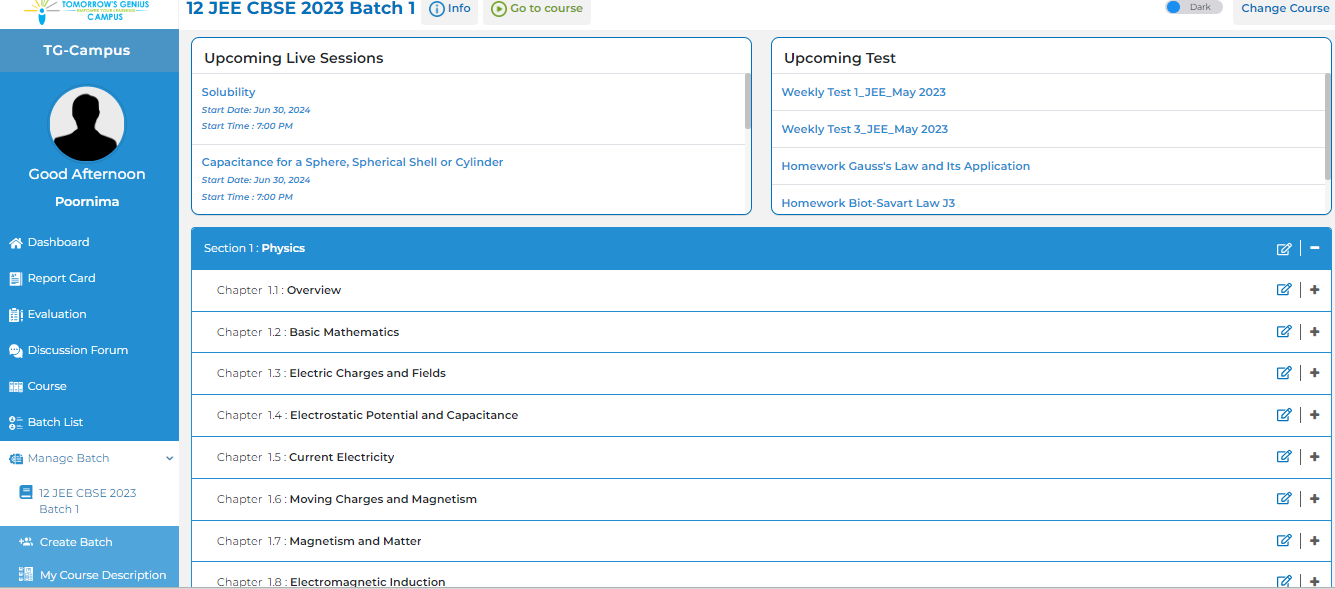
Tomorrow's Genius LMS is designed to manage and deliver educational content, monitor student progress, facilitate communication between student and tutors.
Www Jual Bokep Blogspot Com Hit | INSTANT |
In conclusion, Indonesian entertainment has been irrevocably transformed by the popular video revolution. What was once a centralized, passive, and formulaic industry has become a decentralized, interactive, and wildly creative—if chaotic—digital bazaar. The vlogger and the TikToker have replaced the soap opera star as the primary avatar of modern Indonesian identity, offering a mirror that reflects the nation’s diversity, humor, and entrepreneurial spirit. Yet, this new paradigm demands a new kind of literacy from audiences and a more agile, nuanced form of governance. As Indonesia moves further into the digital 21st century, its entertainment will likely remain a hybrid beast: the sinetron will not die, but it will increasingly live alongside, and learn from, the endless, addictive scroll of popular videos. The true challenge lies not in choosing between tradition and innovation, but in harnessing the creative energy of millions while safeguarding the public from its excesses.
The most significant phenomenon in this new era is the Indonesian YouTube vlogger. Creators like Raditya Dika, Atta Halilintar, and the celebrity family Ria Ricis have built media empires that rival traditional television networks in reach and revenue. Their content—ranging from daily vlogs, pranks, and challenges to social commentary and religious advice—thrives on authenticity and parasocial intimacy. Unlike the polished, distant stars of sinetron, these creators speak directly to their audience in colloquial Indonesian (Bahasa gaul) and regional dialects, fostering a sense of community. Popular videos have become a space for diverse representation, showcasing not just Javanese culture but also Minang, Batak, and Papuan voices. The viral "Pocong" challenge or the "Sajam" (sharp weapon) dance trends are not just fleeting memes; they are acts of collective, nationwide cultural production that transcend class and geography. www jual bokep blogspot com hit
Indonesian entertainment has undergone a seismic shift over the past two decades, evolving from a state-controlled, broadcast-centric model into a vibrant, chaotic, and deeply influential digital ecosystem. At the heart of this transformation is the rise of popular videos—short-form content, YouTube vlogs, and live-streaming—which have democratized fame and redefined national identity. While traditional "sinetron" (soap operas) and mainstream films still hold cultural sway, it is the creator-driven, vernacular content on platforms like YouTube, TikTok, and Instagram Reels that now serves as the primary pulse of Indonesian popular culture. This essay argues that the rise of popular videos has not only disrupted Indonesia’s traditional entertainment industry but has also created a more diverse, participatory, and commercially powerful cultural landscape, albeit one fraught with challenges regarding quality and regulation. Yet, this new paradigm demands a new kind
However, this digital democratization is not without its shadows. The race for views and engagement has led to a decline in content quality and an increase in sensationalism. Dangerous pranks, the spread of hoaxes disguised as "social experiments," and performative religiosity are common criticisms. Regulatory bodies like the Ministry of Communication and Information Technology (Kominfo) struggle to police the vast, ephemeral world of short videos without stifling free expression. Moreover, the algorithmic bias towards virality often rewards the most extreme or salacious content, overshadowing more thoughtful, artistic, or educational works. The traditional film industry, while adapting, also mourns the loss of collective, curated experiences; the water-cooler conversation about last night’s sinetron has been replaced by an algorithmically-sorted feed of solo viewing. The most significant phenomenon in this new era
Historically, Indonesian entertainment was a top-down affair. For decades, the state television network TVRI and later private networks like RCTI and SCTV dominated the airwaves with sinetron, talent shows, and imported dramas. These productions, while popular, followed rigid formulas: melodramatic plots, archetypal characters, and a heavy reliance on middle-class, Javanese-centric narratives. Access was passive; audiences were consumers, not creators. The digital revolution, specifically the arrival of high-speed internet and affordable smartphones in the 2010s, dismantled this hierarchy. Suddenly, a teenager in Makassar or Medan could produce a comedy sketch or a beauty tutorial and reach millions, bypassing the gatekeepers of Jakarta’s film industry.
Furthermore, the economic impact is undeniable. The "creator economy" has become a viable career path, with top Indonesian YouTubers and TikTokers earning millions through advertising, brand deals, and live-streaming gifts. This has spurred a parallel industry of talent management, video editing, and digital marketing, particularly in secondary cities like Bandung and Yogyakarta, which have become creative hubs. Traditional media has been forced to adapt; television networks now aggressively promote their stars' YouTube channels, and sinetron narratives have become faster-paced and more exaggerated to compete with the quick dopamine hits of TikTok. The boundary between "official" and "amateur" has blurred, with popular video stars crossing over into film, music, and even politics.
Awards and recognition
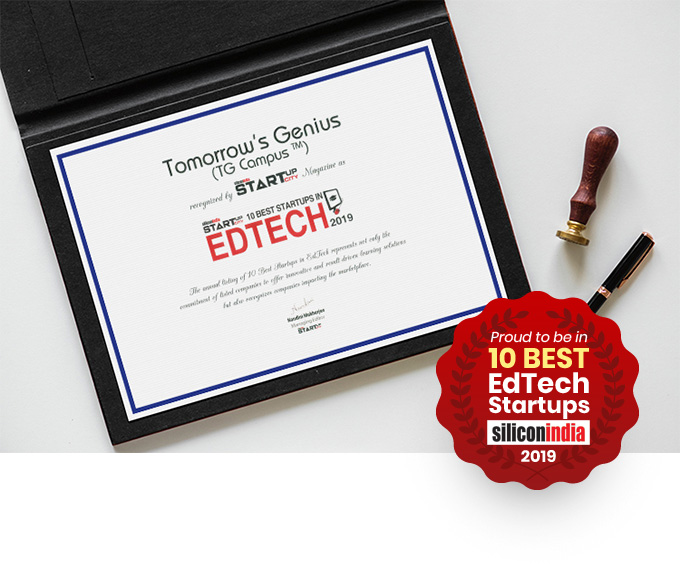
TG Campus® recognized as one of the 10 Best EdTech Startups in India - 2019
TG Campus® is proud to have been recognized as "Top 10 Best EdTech Startup in India - 2019" by SiliconIndia. Our commitment is to develop advanced online learning solutions for Institutes, Schools, Tutors & students and our team is continuously working to improve the way of online education in India.
Click here to view recognition certificate by SiliconIndia
Click here to see Our Directors thoughts, featured in SiliconIndia magazine



Get A Free Demo Scheduled!
Call on Toll Free No: 1800 267 2677 and schedule a free demo.